Línea de ayuda (951) 686-HELP
Adultos mayores
Adultos mayores

Adultos mayores

Changes in health, daily routines, relationships, or independence as we age can affect how we feel and connect with others. Mental health is part of overall health at every age. Taking care of it means getting support for the challenges you may face today. Along with access to immediate care through crisis support and urgent care providers, this page shares simple guidance and trusted resources to help older adults stay connected, find balance, and continue living with care and dignity.

Crisis inmediata

Si usted o un ser querido sufre una angustia emocional o una crisis y necesita ayuda inmediata, llame a la línea de ayuda al 951-686-HELP en cualquier momento para hablar con profesionales formados de forma confidencial y gratuita. Pueden ayudarle a acceder a los servicios de salud mental del condado de Riverside. La línea nacional de crisis también está disponible, llame o envíe un mensaje de texto al 988 las 24 horas del día, los 7 días de la semana. Si necesita atención médica de urgencia, llame al 9-1-1 o acuda a la sala de urgencias del hospital más cercano.

Atención urgente de salud mental

Si está sufriendo una crisis de salud mental y necesita asesoramiento y enfermería, o medicamentos psiquiátricos, puede llamar o acudir a un centro de atención urgente de salud mental 24 horas al día, 7 días a la semana, del condado de Riverside (las ubicaciones y más información están disponibles aquí). Tanto si está en crisis como si sólo necesita alguien con quien hablar, todos los servicios son voluntarios y no requieren cita previa, están abiertos las 24 horas del día, los 7 días de la semana, y están disponibles para todos, independientemente del seguro o de la capacidad de pago.

Bienestar general y salud mental

You’ve spent a lifetime caring for others, building families, careers, and communities. Now, it’s just as important to care for yourself — body, mind, and spirit.

Mental health is a part of overall health at every age. But as we grow older, it can look and feel different. Sometimes it’s about adjusting to new routines or facing health changes. Other times it’s about finding meaning after retirement, or coping with loss and isolation.

You don’t have to face these changes alone. The resources and guidance below are here to help you stay connected, maintain independence where possible, and keep joy, purpose, and community at the center of your life. Mental health care is not just about preventing illness — it’s about preserving the life you’ve built and the peace you deserve.
Adapting to Change

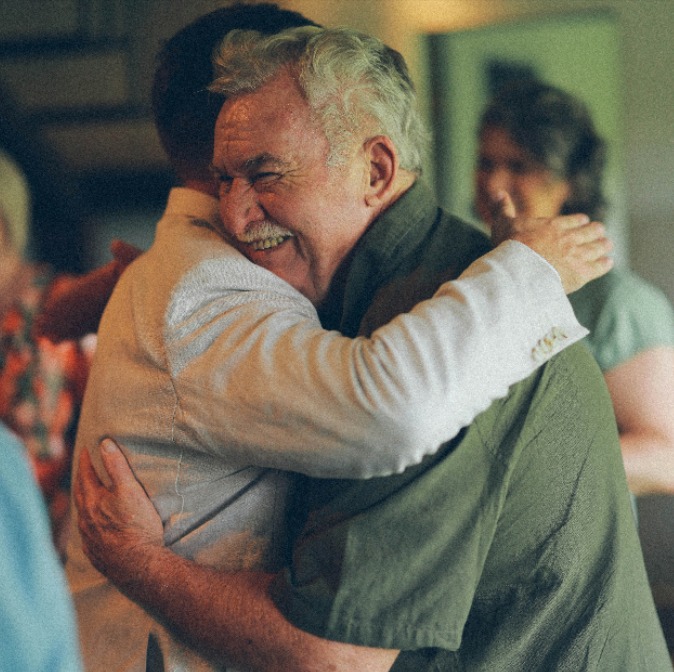
As we age, our bodies and abilities evolve, sometimes faster than our hearts and minds would like. You may find yourself facing new mobility challenges, chronic conditions, or needing to rely on others more than before. These transitions can stir up frustration, grief, or fear of losing independence, but adjusting to change can also mean finding new ways to move, connect, and thrive.
Ask for support early.
Talk with family, doctors, or caregivers about what would help you stay active and independent longer. That could be mobility tools, home modifications, or community transport.

Focus on what you can do.
Every new stage brings skills worth celebrating: wisdom, patience, perspective. You may move slower, but you often see deeper.

Keep moving, your way.
Gentle movement like stretching, swimming, chair yoga, or walks improves mood and balance. What matters is consistency, not intensity.

Stay involved in decisions.
When it comes to health, living arrangements, or care, your voice matters. Ask questions. Be clear about what’s important to you. Shared decision-making helps preserve autonomy and dignity.

Staying Connected

Many adults’ social circles change over time, whether due to retirement, relocation, or the loss of friends and loved ones. Grief and loneliness are normal parts of aging, but they don’t have to define it. Social connection is one of the most powerful protectors of mental health at any age.
Rebuild your circle.
Join a local class, volunteer group, or senior center, not just for activities, but for connection. Even short daily interactions help relieve feelings of loneliness.
Talk about your grief.
There’s no timeline for healing. Sharing stories about loved ones or joining a bereavement group can help transform grief into connection.
Bridge generations.
Interacting with younger people, through mentorship, storytelling, or community projects, keeps you engaged within your community.

Stay curious.
Try learning something new like a language, an instrument, or technology. Growth doesn’t stop with age; curiosity fuels hope.

If you’re feeling isolated, try calling a friend, neighbor or joining a community line like the Friendship Line (1-800-971-0016), designed especially for people who want to talk or connect.

Finding Balance

Resilience has often been learned through hardship and you may have been taught to “handle things yourself” and avoid burdening others. But caring for your mental health isn’t a burden. It’s an act of strength and self-respect.

Unhealed experiences, financial pressures, and shifting roles within your family and social circles after retirement can all weigh heavily. Seeking help or sharing how you feel doesn’t take away from your strength, it builds on it.

Talk about it.
Whether it’s stress, sadness, or worry about the future, speaking with a counselor, friend, or faith leader helps lighten the load.

Explore meaning.
Purpose doesn’t retire. Many older adults find new fulfillment through volunteering, mentoring, or creative hobbies.

Let care be mutual.
Accepting help allows others to experience the joy of giving back, just as you’ve done for others.

Plan for stability.
If finances or housing cause anxiety, reach out for assistance through city, county and state channels.

Recursos:

Recursos nacionales de salud mental

  • 988 Suicide & Crisis Lifeline
    Call or text 988 for free, 24/7 confidential support from trained crisis counselors (services available in English and Spanish).
    988lifeline.org 
  • Crisis Text Line
    Text HOME (or HOLA for Spanish) to 741741 to access free, 24/7 support from trained crisis counselors via text.
    crisistextline.org
  • NAMI HelpLine
    Call 1-800-950-NAMI (6264) or text NAMI to 62640 for information and emotional support from volunteers at the National Alliance on Mental Illness, available Monday–Friday.
    nami.org/help 
  • SAMHSA National Helpline
    Call 1-800-662-HELP (4357) for free, confidential 24/7 treatment referral and information for individuals and families facing mental health and/or substance use disorders (service available in English and Spanish).
    samhsa.gov 
  • Institute on Aging Friendship Line
    Call 1-888-670-1360 for the nation’s only 24/7 toll-free hotline for seniors (ages 60+) and adults with disabilities, offering crisis intervention and warmline services with trained volunteers (multiple languages available).
    ioaging.org/friendship-line 
  • Depression and Bipolar Support Alliance (DBSA)
    Provides free peer-led support groups (in-person and online) and wellness resources for people living with depression or bipolar disorder and their loved ones.
    dbsalliance.org 
  • Centers for Disease Control and Prevention (CDC)
    Offers education and research-based information on mental health and aging (e.g. understanding depression in older adults, caregiving resources, healthy aging tips).
    cdc.gov/aging 

Recursos locales de salud mental

  • Riverside University Health System – Behavioral Health
    County agency providing mental health and substance use services for all ages in Riverside County (crisis services, clinics, mobile teams, etc.).
    ruhealth.org/behavioral-health
  • CARES Line (24/7 Access Line)
    Call 1-800-499-3008 for 24/7 screening and referrals to Riverside County mental health or substance use programs. Compassionate staff provide information and linkage in English or Spanish.
  • Inland SoCal Crisis & Suicide Helpline (951-686-HELP)
    Call 951-686-HELP (4357) for free, confidential 24/7 crisis intervention and support in Riverside County, staffed by trained professionals (available in English, Spanish and other languages).
    inlandsocaluw.org/crisishelpline
  • NAMI Western Riverside County
    Local affiliate of NAMI offering free peer-led support groups, classes, and referral services for people with mental health conditions and their families in the Riverside area.
    namiwesternriverside.org 
  • Take My Hand™ Live Peer Chat
    A free and anonymous web-based chat service that connects Riverside County residents with a live Peer Support Specialist for emotional support and resource navigation. Available Monday–Thursday 8am–5pm, Friday 8am–4pm.
    takemyhand.co 
  • Program to Encourage Active, Rewarding Lives for Seniors (PEARLS)
    A free 19-week program of individualized sessions for adults 60+ with minor depression. Provided in Riverside County through Inland Caregiver Resource Center; call for intake at 1-800-675-6694.
    inlandcaregivers.org/services/pearls 
  • Cognitive Behavioral Therapy for Late-Life Depression (CBT-LLD)
    An early-intervention therapy program to reduce depression and suicide risk in older adults (60+). Free for Riverside County seniors, with sessions offered in-home or via telehealth (provided through Inland Caregiver Resource Center’s “Thrive” program).
    inlandcaregivers.org/services/thrive-at-icrc 
  • Care Pathways (Caregiver Support Program)
    A series of free workshops for family caregivers of seniors (age 60+), covering topics like stress management, self-care, communication, legal issues, and coping with caregiving challenges. Contact the Office on Aging at 1-877-932-4100 for schedules and support.
    rcaging.org